

Views: 215 Author: Site Editor Publish Time: 2026-07-01 Origin: Site


Sheet metal enclosures are critical components used to protect sensitive electronic devices, industrial equipment, and electrical systems. Their primary function is to safeguard internal components from external environmental factors such as dust, moisture, and physical damage. These enclosures also provide electrical isolation and prevent accidental contact with hazardous parts. As industries continue to evolve, the demand for custom sheet metal enclosures that offer durability, flexibility, and weatherproof capabilities has surged. This guide explores everything you need to know about sheet metal enclosures, from materials to design considerations and applications, helping you make an informed decision when choosing or designing your next enclosure solution.
Sheet metal enclosures are protective housings made from various types of sheet metal that are fabricated to fit specific equipment or components. These enclosures are typically used to house electrical systems, machinery, or sensitive devices. They are an essential part of ensuring safety and performance in various applications, from consumer electronics to industrial machinery.
Sheet metal enclosures come in a variety of sizes, shapes, and finishes, depending on the requirements of the devices they protect. They can be manufactured from metals like stainless steel, aluminum, or galvanized steel, offering a range of durability, weight, and resistance to environmental elements.
The core purpose of a sheet metal enclosure is to create a barrier that shields electronic or mechanical components from dust, moisture, and external physical damage. These enclosures also provide crucial protection against electrical faults, ensuring safety during operation.
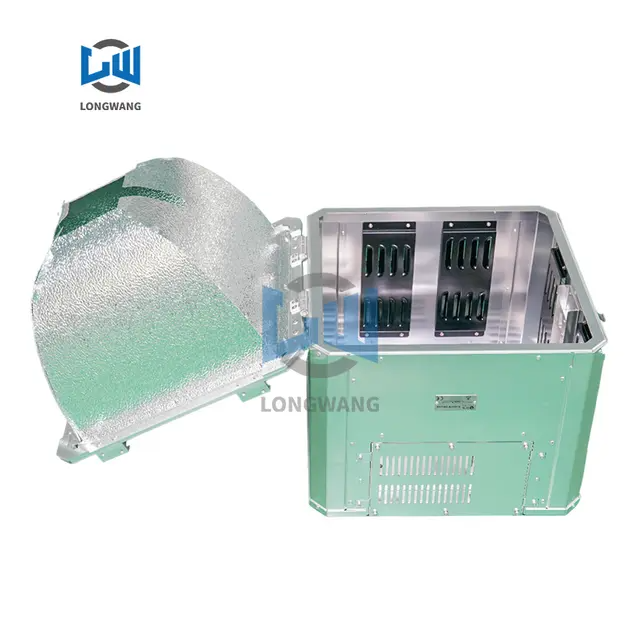
The choice of material plays a significant role in the performance and longevity of a sheet metal enclosure. Each material offers distinct advantages based on the application. Some of the most commonly used materials include:
| Material | Properties | Ideal Use Case |
|---|---|---|
| Stainless Steel | Corrosion-resistant, durable, and provides excellent mechanical strength. | Heavy-duty applications, chemical plants. |
| Aluminum | Lightweight, corrosion-resistant, and offers good thermal conductivity. | Electronics, light-duty enclosures. |
| Galvanized Steel | Cost-effective, corrosion-resistant due to zinc coating, and provides good mechanical strength. | Industrial equipment, outdoor enclosures. |
| Mild Steel | Strong, ductile, and relatively inexpensive. Can be treated for corrosion resistance. | General industrial use. |
Choosing the right material depends on the intended environment and specific application of the sheet metal enclosure. For example, weatherproof sheet metal enclosures will benefit from materials like stainless steel or galvanized steel, which can withstand harsh outdoor conditions.
Standard sheet metal enclosures are pre-fabricated and available in common sizes and configurations. They are designed to meet general protective requirements and can be used across a wide variety of industries. These enclosures typically come in a variety of shapes such as rectangular, square, or custom profiles designed for specific equipment.
Standard enclosures offer a cost-effective solution for most common applications, but they might not provide the flexibility or exact fit needed for all projects. They are generally more suitable for general industrial or electrical purposes.
For more specialized needs, custom sheet metal enclosures offer a tailored solution. These enclosures are designed and fabricated to meet specific dimensions, functionalities, and environmental requirements. Customization options may include:
Special cutouts for wiring or connectors
Weatherproofing features
Specific coatings or finishes
Internal partitions for organizing equipment
Custom enclosures are ideal for projects that require a higher degree of precision or those used in environments with unique conditions, such as extreme temperatures or exposure to chemicals.
When designing a sheet metal enclosure, durability is paramount. Whether it’s protecting valuable electronics or industrial machinery, ensuring that the enclosure can withstand environmental elements is crucial. Weatherproof sheet metal enclosures are often used in outdoor applications to prevent moisture and dust from entering, thereby protecting the equipment inside.
Design elements to consider include:
Sealing mechanisms: Gaskets or rubber seals help keep moisture and dust out.
Ventilation: Proper airflow prevents overheating, especially in enclosures housing electrical components.
Corrosion resistance: Coating or material choice ensures the enclosure does not degrade when exposed to harsh weather conditions.
For electrical applications, sheet metal enclosures must meet specific electrical safety standards. A professional sheet metal enclosure will feature features like:
Grounding: Ensuring that the enclosure is properly grounded to avoid electrical hazards.
Locking mechanisms: Preventing unauthorized access to high-voltage components.
Adequate internal space: Providing sufficient room for wiring and connectors to prevent short circuits.
By addressing both the durability and electrical safety requirements, you can ensure that your sheet metal enclosure offers optimal performance in even the most demanding environments.
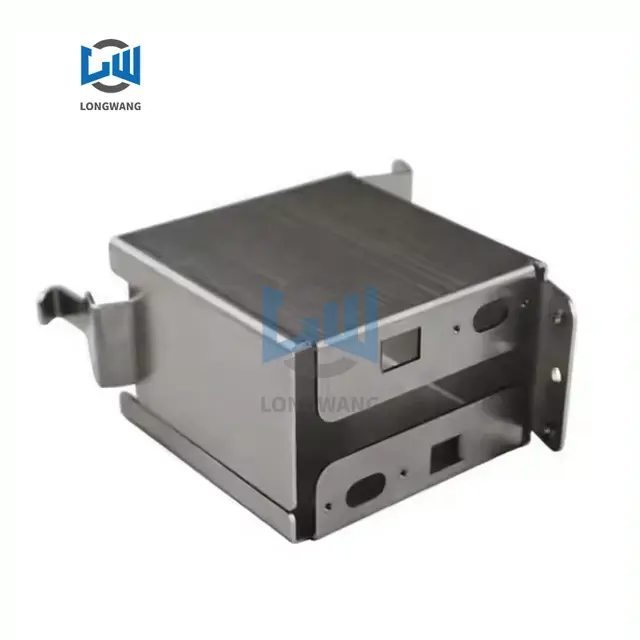
In industrial settings, sheet metal enclosures play a critical role in protecting control panels, switches, and other electrical components. These enclosures shield the delicate components from dust, dirt, moisture, and physical damage, which is especially important in industries like manufacturing, food processing, and oil & gas.
Heavy-duty sheet metal enclosures are often used to house large electrical equipment, offering superior protection against wear and tear in challenging environments.
Sheet metal enclosures are commonly used to house sensitive electrical devices and electronic equipment. By protecting circuit boards, power supplies, and communication systems, they help maintain operational integrity and extend the lifespan of the devices inside. Whether it’s a weatherproof electrical enclosure or a more specialized custom electrical housing, these enclosures provide a secure and efficient solution for electronics in both commercial and residential applications.
Durability: Sheet metal enclosures are built to withstand tough environments, offering long-lasting protection for sensitive equipment.
Customization: You can design custom sheet metal enclosures tailored to your specific needs, ensuring a perfect fit and functionality.
Cost-Effectiveness: Compared to other protective housing materials, sheet metal offers a relatively low-cost solution without sacrificing strength or durability.
Aesthetic Flexibility: Metal enclosures can be powder-coated or painted to match branding or aesthetic preferences, while also improving corrosion resistance.
Safety: They provide electrical insulation and prevent accidental contact with live components, ensuring the safety of operators and users.
When selecting a sheet metal enclosure, several factors must be considered:
Size and Shape: Ensure the enclosure fits the equipment you intend to protect.
Material: Choose the appropriate material based on environmental exposure (e.g., stainless steel for harsh conditions or aluminum for lightweight applications).
Environmental Conditions: Consider whether the enclosure needs to be weatherproof or resistant to specific chemicals or extreme temperatures.
Custom Features: Determine if custom modifications like ventilation or internal partitions are necessary.
By carefully evaluating these factors, you can select the perfect sheet metal enclosure that meets your specific needs and ensures the safety and longevity of your equipment.
In conclusion, sheet metal enclosures are essential protective solutions that offer durability, safety, and functionality for a wide range of applications. From basic industrial use to custom enclosures for specialized electronics, these enclosures play a vital role in safeguarding sensitive components from environmental and physical threats. When choosing or designing a sheet metal enclosure, it’s important to consider factors like material, size, and environmental resistance to ensure optimal protection.
1. What are the most common materials for sheet metal enclosures?
The most common materials used for sheet metal enclosures include stainless steel, aluminum, galvanized steel, and mild steel. Each material offers unique advantages in terms of strength, weight, and resistance to environmental factors.
2. Can I get a custom sheet metal enclosure for my specific needs?
Yes, custom sheet metal enclosures can be designed to meet your specific requirements, including special cutouts, internal compartments, and additional weatherproofing or corrosion-resistant features.
3. What industries use sheet metal enclosures?
Sheet metal enclosures are used across a variety of industries, including manufacturing, electrical, telecommunications, oil & gas, and food processing, to protect equipment from environmental damage and electrical hazards.
4. Are sheet metal enclosures weatherproof?
Yes, many sheet metal enclosures are designed to be weatherproof, offering protection against rain, dust, and other outdoor elements. These enclosures are often used in outdoor or industrial applications where environmental exposure is a concern.
5. How do I ensure the electrical safety of my sheet metal enclosure?
To ensure electrical safety, your sheet metal enclosure should be properly grounded, have appropriate locking mechanisms to prevent unauthorized access, and provide sufficient internal space for wiring and connectors to prevent electrical faults.


