

Views: 252 Author: Site Editor Publish Time: 2026-07-03 Origin: Site


Sheet metal enclosures are crucial components in a wide range of industries, providing protective housing for electrical equipment, machinery, and sensitive instruments. The design of these enclosures involves intricate decisions regarding material selection, structural integrity, and functionality to ensure they meet the needs of both environmental challenges and safety requirements. This comprehensive guide aims to dive deep into the essential considerations for Sheet Metal Enclosure Design, offering professional insights into the key aspects that influence the design and manufacturing process.
A Sheet Metal Enclosure is typically a protective case made from thin sheets of metal, often fabricated by bending, folding, or welding. These enclosures are used to house sensitive equipment, protecting them from external elements, physical damage, and electrical interference. The versatility of sheet metal enclosures makes them an ideal choice for various applications, including electrical, weatherproof, and heavy-duty uses.
Custom Enclosures: Tailored specifically to meet the exact specifications of the equipment inside.
Standard Enclosures: Pre-designed and often mass-produced for common applications.
Electrical Enclosures: Designed to ensure safe operation of electrical equipment, preventing electrical shocks and interference.
Each type of enclosure offers unique benefits, depending on its application and the environmental conditions it must withstand.
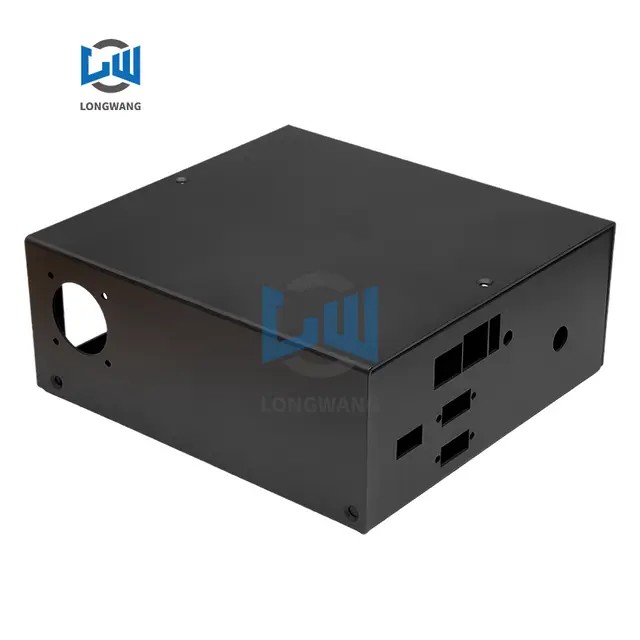
Designing a Sheet Metal Enclosure is not a one-size-fits-all process. The specific requirements of the enclosure’s function must dictate the materials, dimensions, and features incorporated into its design. Here are some of the key factors to consider:
1. Purpose of the Enclosure
What type of equipment will the enclosure house?
Does it need to provide protection from specific environmental conditions, such as extreme temperatures, dust, or moisture?
2. Size and Shape
The size of the equipment and available space will impact the enclosure's overall dimensions.
Consideration should be given to ease of assembly and accessibility to internal components.
3. Material Selection
Durable materials, such as stainless steel, aluminum, and galvanized steel, are typically used in sheet metal enclosures. The choice of material will depend on factors like strength, corrosion resistance, and environmental exposure.
4. Compliance and Standards
Certain industries require enclosures to meet specific standards (e.g., NEMA ratings, IP ratings) for ingress protection (IP) or electrical safety.
These factors must be thoroughly analyzed to create an enclosure that offers maximum protection while adhering to industry standards.
The material choice plays a critical role in the functionality of a Sheet Metal Enclosure. Whether you need a weatherproof, heavy-duty, or custom-designed solution, each material offers distinct advantages:
| Material | Advantages | Disadvantages | Best Used For |
|---|---|---|---|
| Stainless Steel | High corrosion resistance, strong, durable | Heavy, expensive | Harsh environments, outdoor applications |
| Aluminum | Lightweight, good for heat dissipation | Less durable than steel | Indoor, lightweight enclosures |
| Galvanized Steel | Cost-effective, corrosion-resistant | Prone to bending, not as strong as stainless steel | General applications, non-corrosive environments |
| Carbon Steel | Strong and cost-effective | Prone to rusting, requires coating | Heavy-duty enclosures, industrial environments |
When selecting the material for a Sheet Metal Enclosure, it’s essential to weigh the need for durability against the potential environmental factors the enclosure will face. For example, outdoor enclosures often need weatherproof properties, necessitating the use of materials like stainless steel or aluminum. For environments where electrical shielding is important, aluminum is a popular choice due to its conductivity and non-magnetic properties.
Designing a Sheet Metal Enclosure requires more than just choosing the right material. Several other design considerations must be addressed to ensure the enclosure meets its required specifications:
Durability and Strength:The durability of a sheet metal enclosure is one of the most crucial aspects of its design. The enclosure needs to withstand impacts, vibrations, and harsh environmental conditions without compromising the safety of the housed equipment. For heavy-duty applications, such as industrial machinery or power distribution, the material's thickness and structural reinforcement play significant roles in the enclosure's ability to endure physical stress.
Electrical Safety and Shielding:For electrical enclosures, providing adequate protection from electrical hazards is paramount. This includes shielding against electromagnetic interference (EMI) and preventing electrical shocks. The sheet metal material should have good conductivity and grounding properties, while the design should ensure that all potential electrical hazards are properly isolated.
When designing a Sheet Metal Enclosure, companies often face the decision between choosing a custom enclosure or a standard enclosure. While standard enclosures are readily available and cost-effective, they may not offer the precise fit and features required for specific applications.
Custom Sheet Metal Enclosures:A custom enclosure is designed to fit the exact specifications of the equipment it will house. This often involves working with a manufacturer to create an enclosure that meets particular dimensional, aesthetic, and functional requirements. Custom designs are ideal for businesses with unique needs, whether for weatherproof, heavy-duty, or electrical applications.
Standard Sheet Metal Enclosures:Standard enclosures are typically mass-produced and may come in a variety of sizes and shapes. While they may lack the specific features of a custom design, they offer cost savings and faster turnaround times for applications with more general requirements.
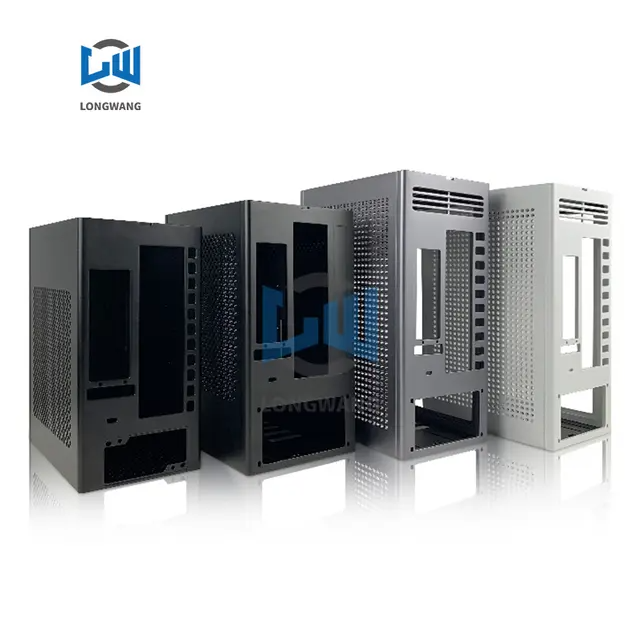
When designing a sheet metal enclosure for harsh environments, ensuring the enclosure is weatherproof and heavy-duty is essential. These enclosures must withstand exposure to extreme temperatures, moisture, dust, and other environmental factors without compromising the integrity of the housed equipment.
Weatherproof Enclosures:For outdoor applications, a weatherproof enclosure protects sensitive equipment from rain, snow, dust, and other elements. These enclosures are designed with sealed joints and often feature additional coatings to improve their resistance to the elements.
Heavy Duty Enclosures:Heavy-duty enclosures are built to withstand harsh physical impacts, vibrations, and even extreme shock. Common in industrial settings, these enclosures ensure that equipment remains safe even under the most demanding conditions.
Fabricating a Sheet Metal Enclosure requires careful planning, precise execution, and an understanding of both the design specifications and material properties. The steps involved in the process are as follows:
Design: Initial conceptual design is created, taking into account the equipment's size, functionality, and environmental considerations.
Material Selection: Choose the appropriate material based on the requirements of the design, such as durability, corrosion resistance, and cost-effectiveness.
Fabrication: The material is cut, bent, and welded into the desired shape, with precise dimensions and tolerance.
Finishing: The enclosure may undergo processes such as powder coating, anodizing, or galvanizing to enhance its durability and resistance to environmental factors.
Testing: Ensure the enclosure meets all relevant safety and performance standards, such as NEMA ratings or IP ratings for ingress protection.
Designing a Sheet Metal Enclosure is a multifaceted process that requires careful consideration of materials, durability, environmental protection, and functionality. Whether you are looking for a custom solution or a heavy-duty enclosure, understanding the specific needs of your application will guide you in creating an effective and efficient design. By considering factors such as material selection, environmental challenges, and compliance with safety standards, you can ensure the safety and longevity of the equipment housed within.
1. What materials are best for a sheet metal enclosure?
The best materials for a Sheet Metal Enclosure include stainless steel, aluminum, and galvanized steel, depending on the application’s need for corrosion resistance, strength, and weight.
2. How do I choose between a custom or standard sheet metal enclosure?
If you need a highly specific design that meets precise dimensions or functionality, a custom enclosure is the best choice. However, for more general purposes, a standard enclosure might suffice and be more cost-effective.
3. Are sheet metal enclosures weatherproof?
Yes, sheet metal enclosures can be made weatherproof by selecting corrosion-resistant materials, applying protective coatings, and ensuring sealed joints to keep out water, dust, and other environmental elements.
4. Can sheet metal enclosures be used for electrical equipment?
Yes, electrical enclosures are designed to protect electrical systems from external elements and prevent electrical hazards, ensuring safety and compliance with relevant standards.
5. What factors influence the durability of a sheet metal enclosure?
The material chosen, thickness, and design elements like reinforcements and coatings all contribute to the durability of the sheet metal enclosure. Environmental exposure, such as UV rays or chemical exposure, also plays a role in its lifespan.


