

Views: 314 Author: Site Editor Publish Time: 2026-07-15 Origin: Site


Metal stamping parts are critical components in a wide range of industries, including automotive, aerospace, electronics, and more. These parts are produced using a manufacturing process that involves pressing metal sheets into specific shapes and sizes using specialized dies and tools. Metal stamping is known for its precision, efficiency, and cost-effectiveness, making it a popular choice for mass production.
This guide provides a comprehensive overview of metal stamping parts, focusing on their production process, types, materials, benefits, and applications. By the end, you'll have a clear understanding of why metal stamping is such a vital part of modern manufacturing.
Metal stamping parts are created by applying pressure to a flat metal sheet, shaping it into a desired form using a die. This process can involve several techniques, such as punching, bending, blanking, and embossing. The result is a highly precise, often complex part that meets specific design and functional requirements.
The primary reason for using metal stamping parts is their ability to produce large volumes of parts quickly and with consistent quality. These parts are often used in industries that demand high precision, such as automotive manufacturing, electronics, and even medical devices.
The stamping process can accommodate a variety of metal types, including stainless steel, steel, aluminum, and other alloys, depending on the part's requirements. Precision stamping parts are particularly important in industries where tight tolerances are required.
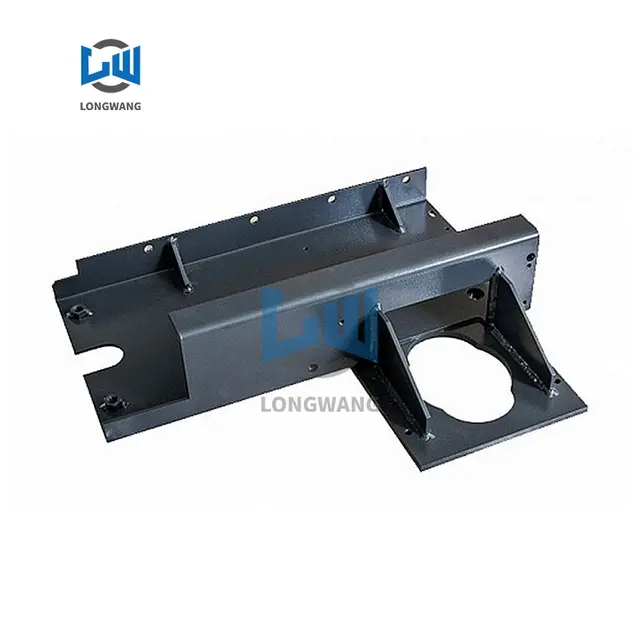
The process of creating metal stamping parts involves several key steps, each designed to ensure that the finished parts meet exact specifications. Below is a breakdown of the typical process:
Material Selection: The first step is selecting the appropriate metal material, often sheet metal, based on the strength, flexibility, and corrosion resistance required for the part.
Designing the Die: A die is a custom tool that shapes the metal sheet. The die is designed based on the specifications of the part to be stamped, ensuring accuracy and repeatability.
Stamping the Metal: The metal sheet is placed into the press, where the die is used to cut, bend, or shape the metal into the final part.
Finishing: After the part is stamped, it may undergo finishing processes such as deburring, coating, or additional shaping to achieve the final product.
The process is highly efficient and can produce thousands of parts per hour, making it ideal for industries that require high-volume production of precision stamping parts.
Metal stamping is a versatile manufacturing process, capable of producing a wide range of parts for various applications. Below are some of the most common types of metal stamping parts:
Precision Stamping Parts:Precision stamping parts are produced with extremely tight tolerances, often within microns. These parts are essential in industries such as electronics, medical devices, and aerospace, where even the smallest deviation from specifications can lead to failure. Precision stamping requires high-quality tools and materials to achieve the desired accuracy and functionality.
Automotive Stamping Parts:In the automotive industry, metal stamping parts are used to produce a wide variety of components, including chassis parts, brackets, and structural elements. Automotive stamping parts must meet stringent safety and performance standards. Materials such as steel and stainless steel are commonly used for their strength and durability. The demand for automotive stamping parts has increased due to the rise of electric vehicles, which require lightweight and robust stamped components.
Custom Stamping Parts:Custom stamping parts are designed for specific applications, often requiring bespoke tooling and processes. Manufacturers may use custom stamping to meet unique design or performance requirements, producing parts that are not available in standard designs. These parts can range from simple brackets to intricate components used in specialized equipment.
The material used in metal stamping plays a significant role in the quality and performance of the final product. The most common materials used in the process include:
Stainless Steel is a popular choice for metal stamping parts due to its corrosion resistance, strength, and durability. It is often used in industries like automotive, aerospace, and medical devices. Stainless steel is available in various grades, and the choice of grade depends on the part's specific requirements. For example, stainless steel stamping parts are used for parts exposed to high temperatures or corrosive environments.
Steel and Sheet Metal are commonly used materials for metal stamping because they are cost-effective, versatile, and easy to work with. Steel parts are known for their strength and are often used in heavy-duty applications such as industrial machinery and automotive components. Sheet metal is particularly suitable for high-volume production due to its ease of shaping and forming.
There are several reasons why metal stamping parts are preferred in manufacturing. These include:
Cost-Effectiveness: Once the tooling is created, the cost per part is relatively low, making metal stamping ideal for large-scale production.
High Precision: The stamping process can produce parts with extremely tight tolerances, making it perfect for industries that require high precision.
Material Efficiency: Metal stamping minimizes waste by precisely cutting and shaping the material, reducing the need for excess material.
Speed: The process is fast, allowing manufacturers to produce large quantities of parts in a short period.
Versatility: Metal stamping can be used to create a wide range of parts, from simple washers to complex automotive components.
Metal stamping parts are used across many industries due to their versatility and cost-effectiveness. Below are some key areas where metal stamping plays a crucial role:
Automotive: Parts such as body panels, brackets, and structural components are produced using automotive stamping parts.
Electronics: Metal stamping parts are used in the production of connectors, terminals, and housings for electronic devices.
Aerospace: Aerospace manufacturers rely on precision stamping parts to produce lightweight and durable components for aircraft.
Medical Devices: Parts for medical devices, including surgical instruments and implants, are often produced through metal stamping to ensure high precision and material integrity.
Consumer Goods: Everyday products such as appliances, furniture, and tools often rely on custom stamping parts to meet unique design and performance requirements.
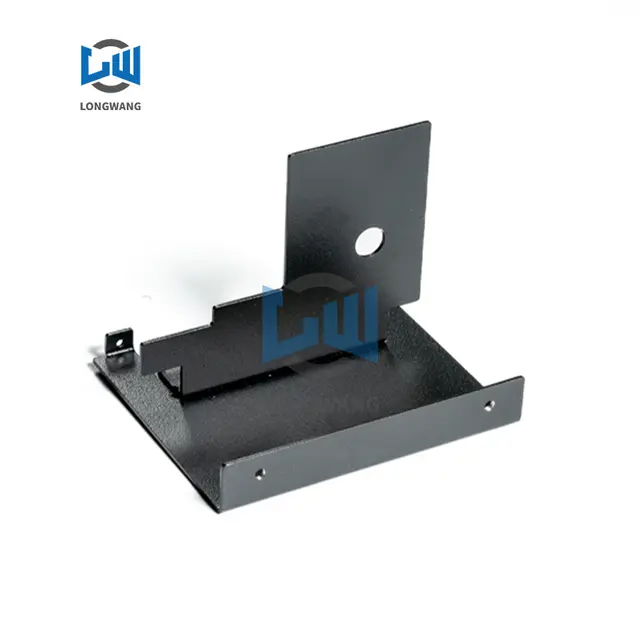
When selecting a manufacturer for metal stamping parts, there are several factors to consider:
Experience and Expertise: Choose a manufacturer with a proven track record of producing high-quality precision stamping parts.
Capabilities: Ensure that the manufacturer can meet your specific requirements in terms of materials, part complexity, and volume.
Quality Control: Look for a manufacturer with strong quality control processes to ensure that the stamped parts meet your specifications.
Cost-Effectiveness: While quality is crucial, cost is also an important consideration. Find a manufacturer who can deliver competitive pricing without compromising quality.
Lead Time: Choose a manufacturer who can meet your production deadlines and provide reliable lead times for large-scale orders.
Metal stamping parts are an integral part of modern manufacturing, offering precision, efficiency, and cost-effectiveness. Whether you're in the automotive, aerospace, or electronics industry, understanding the metal stamping process and its benefits can help you make informed decisions about your production needs. By selecting the right materials, choosing a reputable manufacturer, and understanding the different types of parts available, you can optimize your manufacturing processes and achieve the desired results.
1. What are the most common materials used in metal stamping?
The most common materials used for metal stamping parts include stainless steel, steel, aluminum, and sheet metal.
2. What is the difference between precision stamping and custom stamping?
Precision stamping parts are manufactured to extremely tight tolerances, typically used in industries like electronics and aerospace. Custom stamping parts are made to specific designs for unique applications and may require bespoke tooling.
3. How does metal stamping benefit the automotive industry?
In the automotive industry, metal stamping parts are used to produce components like chassis, brackets, and body panels. The process allows for high-volume production of durable and precise parts.
4. Can metal stamping be used for high-volume production?
Yes, metal stamping is highly efficient and is capable of producing thousands of parts per hour, making it ideal for high-volume production.
5. What industries use metal stamping parts?
Industries such as automotive, aerospace, electronics, medical devices, and consumer goods all rely on metal stamping parts for their manufacturing needs.


