

Views: 195 Author: Site Editor Publish Time: 2026-07-07 Origin: Site


When designing sheet metal enclosures, one of the most crucial decisions involves selecting the right material. These enclosures, which are used to house electronic components, machinery, or sensitive equipment, need to withstand various environmental conditions and operational demands. Whether you require a heavy-duty, weatherproof, or custom enclosure, the choice of material can have a significant impact on the performance, longevity, and cost-effectiveness of the final product.
This article will explore the most common materials used for sheet metal enclosures, discussing their unique properties, advantages, and specific use cases. We will also address why understanding these materials is essential for creating durable and professional enclosures that can withstand diverse conditions.
Sheet metal enclosures are protective casings made from thin, flat pieces of metal that are bent, shaped, and assembled to house various types of equipment. These enclosures are designed to safeguard the contents from physical damage, environmental factors, and other external influences such as electrical interference. The durable, custom nature of sheet metal enclosures makes them a popular choice for applications in industries like electronics, automotive, telecommunications, and manufacturing.
The primary function of these enclosures is to provide a strong, protective barrier, ensuring the safety of sensitive equipment inside. They come in various shapes and sizes, depending on the application. The material used plays a significant role in determining the enclosure's ability to withstand environmental factors, resist corrosion, and maintain structural integrity over time.
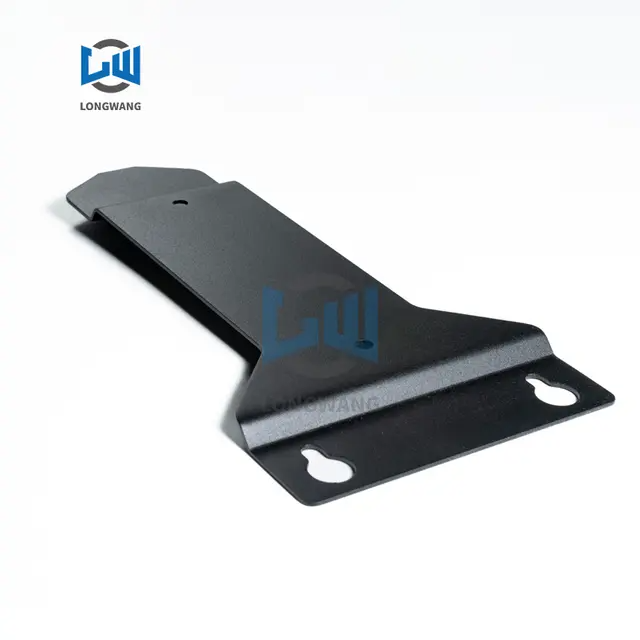
The material selection for sheet metal enclosures directly influences the enclosure's strength, durability, resistance to corrosion, weight, and overall cost. Here are a few reasons why choosing the right material matters:
Protection: The material must provide sufficient protection from external forces such as impacts, moisture, and dust.
Corrosion Resistance: Some environments, like coastal areas, can accelerate corrosion. Materials like stainless steel offer excellent resistance to rust and corrosion.
Electrical Conductivity: For electrical enclosures, materials like copper are ideal due to their high electrical conductivity.
Weight and Mobility: Materials like aluminum offer lightweight solutions for applications where portability is essential.
Cost-effectiveness: Budget constraints can dictate whether a company opts for a more affordable material like galvanized steel or a high-end option like stainless steel.
Understanding these factors will ensure that the material chosen meets the specific demands of your project, enhancing the lifespan and effectiveness of your sheet metal enclosure.
Steel is one of the most widely used materials for sheet metal enclosures, particularly when strength and durability are paramount. Heavy-duty steel enclosures are ideal for protecting sensitive equipment from harsh physical conditions, such as impact and abrasion. Steel enclosures also offer good resistance to heat, making them suitable for industrial applications.
Advantages:
Extremely strong and durable.
Resistant to physical impact and stress.
Can be weatherproof when properly coated.
Drawbacks:
Heavier than other materials like aluminum.
Prone to rust if not treated or coated correctly.
Aluminum is a popular choice for sheet metal enclosures due to its light weight and versatility. It is widely used in industries like electronics and telecommunications, where portability is essential. Aluminum enclosures are also weatherproof and can be treated for increased corrosion resistance.
Advantages:
Lightweight, making it ideal for portable applications.
Resistant to corrosion, especially when anodized.
Easy to machine and customize.
Drawbacks:
Not as strong as steel.
Prone to scratching and denting more easily.
Stainless steel is a go-to material when corrosion resistance and strength are critical. It is often used in environments where exposure to moisture, chemicals, or extreme temperatures is a concern. Stainless steel enclosures are highly durable and capable of withstanding tough conditions.
Advantages:
Superior resistance to corrosion and staining.
High strength-to-weight ratio.
Ideal for heavy-duty, industrial environments.
Drawbacks:
More expensive than steel or aluminum.
Heavier than aluminum.
Copper is known for its excellent electrical conductivity, making it a prime choice for electrical enclosures. While copper sheet metal enclosures are less common than steel or aluminum, they are preferred in specific industries where electrical performance is the top priority.
Advantages:
Excellent electrical conductivity.
Highly durable and resistant to corrosion.
Ideal for shielding sensitive electronic components.
Drawbacks:
Expensive compared to other materials.
Heavier than aluminum.
Galvanized steel is steel that has been coated with a layer of zinc to enhance its corrosion resistance. It provides a more affordable option compared to stainless steel while still offering protection against moisture and environmental factors. This makes it ideal for durable enclosures in less harsh environments.
Advantages:
Affordable and cost-effective.
Good resistance to corrosion due to the zinc coating.
Strong and sturdy.
Drawbacks:
Zinc coating can wear off over time.
Less durable than stainless steel in extreme conditions.
In some cases, specialized alloys are used to meet unique requirements for sheet metal enclosures. These alloys can be custom-engineered to offer specific properties such as enhanced corrosion resistance, heat resistance, or increased strength.
Advantages:
Can be tailored to meet specific performance criteria.
Often used in niche applications with specific requirements.
Drawbacks:
More expensive than standard materials.
May require specialized manufacturing processes.
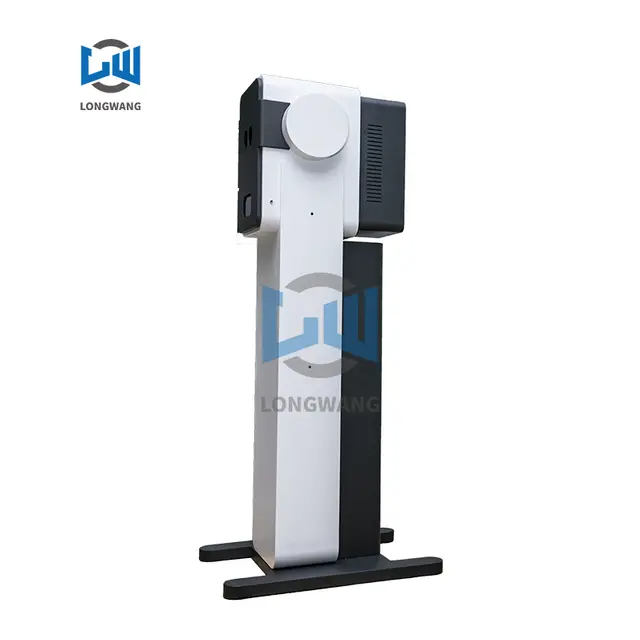
When selecting the right material for sheet metal enclosures, several factors should be taken into account:
| Factor | Steel | Aluminum | Stainless Steel | Copper | Galvanized Steel | Specialty Alloys |
|---|---|---|---|---|---|---|
| Strength | High | Medium | High | Medium | Medium | Varies |
| Corrosion Resistance | Low to Medium | High | Very High | High | Medium to High | Varies |
| Weight | Heavy | Lightweight | Heavy | Medium | Heavy | Varies |
| Electrical Conductivity | Low | Low | Low | Very High | Low | Varies |
| Cost | Medium to Low | Medium | High | Very High | Low | High |
| Ease of Fabrication | Medium | High | Medium | Low | Medium | Varies |
Durability is a key factor when selecting materials for sheet metal enclosures. While steel and stainless steel excel in strength and long-term durability, materials like aluminum and galvanized steel may offer a lighter, more cost-effective solution. For electrical enclosures, copper offers the best electrical conductivity but comes at a higher cost. Each material has its advantages depending on the specific needs of the application.
Opting for a custom sheet metal enclosure allows you to tailor the material, design, and features to meet specific operational requirements. Custom enclosures offer the flexibility to address unique challenges, whether it's ensuring maximum weatherproofing, electrical conductivity, or strength.
Custom Design: Tailor the size, shape, and features of the enclosure.
Optimal Material Selection: Choose the best material based on specific environmental and operational needs.
Enhanced Performance: Ensure the enclosure performs optimally in demanding conditions.
Choosing the right material for sheet metal enclosures is crucial for ensuring their effectiveness and longevity. Each material—whether it's steel, aluminum, stainless steel, copper, or galvanized steel—offers distinct advantages and drawbacks. Understanding these materials, their properties, and their suitability for different applications will help you select the most appropriate option for your specific needs. Whether you need heavy-duty, custom, durable, or weatherproof enclosures, there's a material that meets your requirements.
1.What is the best material for a weatherproof sheet metal enclosure?
Stainless steel and aluminum are both excellent options for weatherproof enclosures due to their resistance to rust and corrosion.
2.How do I choose between aluminum and steel for a custom enclosure?
If weight and ease of fabrication are key, aluminum is a good choice. For strength and durability, especially in demanding environments, steel would be better.
3.Can copper be used for non-electrical enclosures?
While copper is primarily used for electrical enclosures, it can be used for other applications where durability and corrosion resistance are important, though it is more expensive than other options.
4.How does galvanized steel compare to stainless steel in terms of durability?
Stainless steel offers superior corrosion resistance and strength, especially in harsh environments, while galvanized steel is more cost-effective but may degrade over time in extreme conditions.
5.Are custom enclosures more expensive?
Yes, custom enclosures typically cost more due to the tailored design and material selection, but they can offer significant performance advantages for specific applications.


