

Views: 0 Author: Site Editor Publish Time: 2026-01-02 Origin: Site


Sheet metal fabrication is a vital process in many industries. But which materials are commonly used? The choice of material can significantly affect the final product’s performance and cost. In this article, we will explore the most widely used materials in sheet metal fabrication. You will learn how each material contributes to the project’s overall quality and durability.
In sheet metal fabrication, a wide variety of materials are used, each offering distinct advantages tailored for specific applications. Understanding the strengths, weaknesses, and characteristics of these materials is crucial to selecting the right one for your project. Below is an expanded overview of the most commonly used materials in sheet metal fabrication.
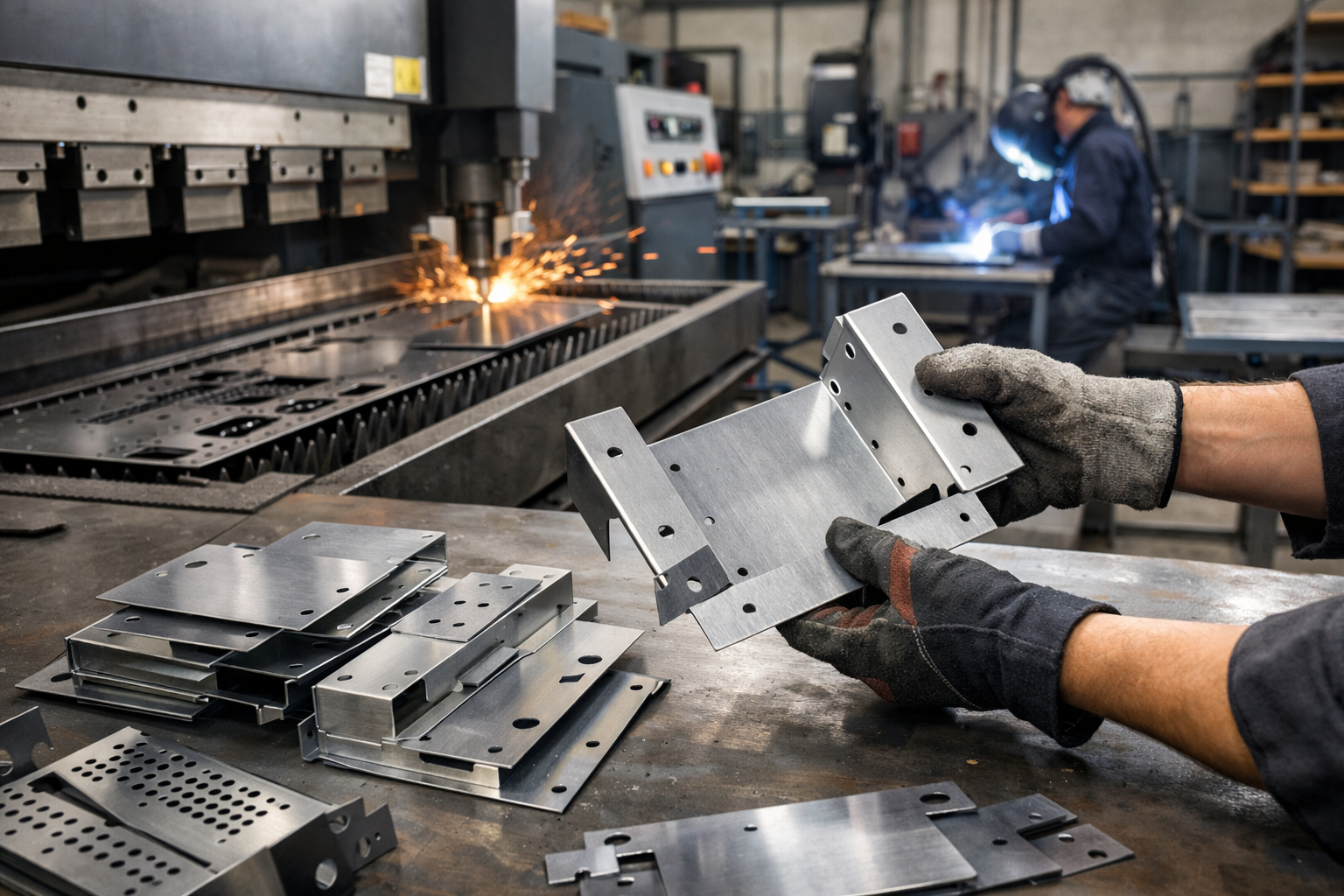
Steel remains one of the most widely used materials in sheet metal fabrication due to its impressive strength, durability, and versatility. Steel is often chosen for applications that require high tensile strength, making it ideal for structural components, heavy machinery parts, and automotive elements. The three main types of steel used in sheet metal fabrication are carbon steel, stainless steel, and galvanized steel.
● Carbon Steel: This material is the most common type used in sheet metal fabrication. It offers a good balance between strength and affordability, making it a popular choice for a wide range of applications. Carbon steel is easy to process and is often used in structural components, automotive parts, and machinery, where high strength is required at a cost-effective price.
● Stainless Steel: Stainless steel is highly valued for its outstanding corrosion resistance, which makes it an ideal material for industries such as food processing, medical device manufacturing, and environments that require stringent hygiene standards. Stainless steel’s resistance to rust and corrosion ensures the longevity of parts exposed to harsh conditions, making it a top choice for parts that must endure challenging environments.
● Galvanized Steel: This type of steel is coated with a layer of zinc to increase its resistance to corrosion. The zinc coating acts as a protective barrier, which significantly extends the lifespan of the steel, especially in outdoor environments. Galvanized steel is widely used for applications like roofing, fencing, gutters, and other outdoor elements, where resistance to the elements is critical. The zinc coating ensures protection against rust and weathering.
Aluminum is another widely used material in sheet metal fabrication. Known for its lightweight nature and excellent strength-to-weight ratio, aluminum is ideal for applications where reducing weight without compromising strength is essential. It is particularly popular in industries like aerospace, automotive, and construction, where minimizing weight plays a crucial role in improving performance.
Aluminum alloys are easy to process and can be formed into complex shapes, making them suitable for creating intricate designs. This material is highly resistant to corrosion, even in harsh environments such as marine or industrial settings, while maintaining its strength and durability. These properties make aluminum a preferred choice for industries focused on reducing weight without sacrificing performance or material reliability.
Copper is a soft, ductile material that excels in both electrical and thermal conductivity, making it indispensable in applications requiring efficient conduction. Copper is widely used in sheet metal fabrication, especially in applications related to electrical systems and heat dissipation.
● Electrical Components: Copper is the go-to material for wiring, motors, generators, and other electrical components due to its exceptional conductivity. It enables efficient electrical transmission, which is essential for systems requiring high performance and minimal energy loss.
● Roofing and Drainage: Copper’s natural resistance to corrosion makes it an excellent choice for outdoor applications like roofing and drainage systems. Its durability in harsh weather conditions ensures a long lifespan with minimal maintenance, making it an ideal material for buildings and infrastructure.
Brass, an alloy of copper and zinc, provides both practical and aesthetic benefits in sheet metal fabrication. Known for its excellent malleability and corrosion resistance, brass is easy to form into intricate shapes, making it a top choice for both decorative and functional applications.
Brass is commonly used in marine environments, plumbing fixtures, and decorative items due to its resistance to tarnishing and its attractive golden appearance. Moreover, brass possesses antimicrobial properties, making it particularly valuable in applications that require cleanliness and hygiene, such as in medical and food processing industries.
Brass is also highly durable, resistant to corrosion, and capable of maintaining its shine over time. These properties make it an excellent material for creating parts and objects that need both strength and an aesthetically pleasing finish. Additionally, its workability and resistance to wear make it an attractive option for intricate designs, from artistic elements to high-performance parts.
Selecting the right material for sheet metal fabrication depends on a variety of factors, including the material's strength, corrosion resistance, and cost. Here are the main factors to consider when choosing a material for your project.
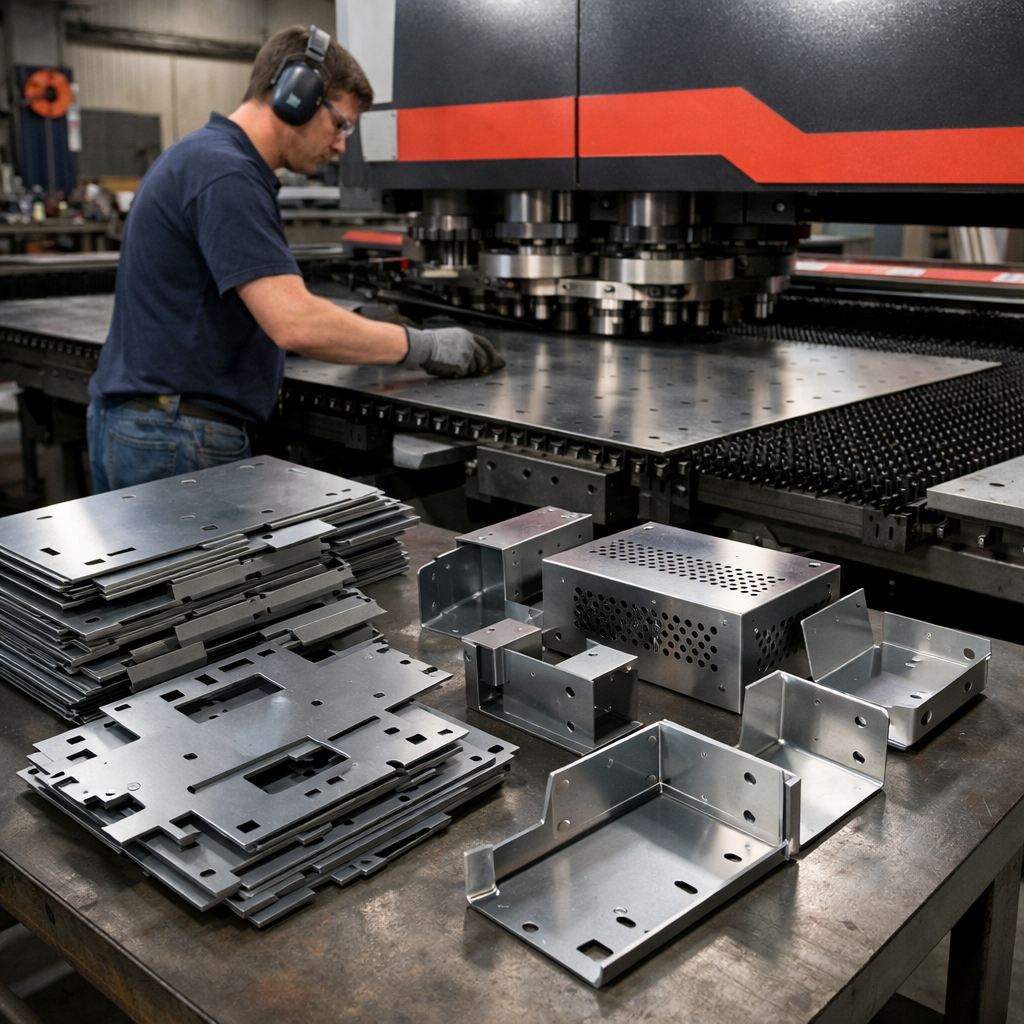
Different materials offer varying levels of strength and durability. For instance, steel provides higher tensile strength than aluminum, making it ideal for structural applications where heavy loads are involved. Aluminum, while lightweight, may not be as strong as steel but is a better choice for industries requiring materials with a high strength-to-weight ratio.
Material | Strength | Durability | Common Use Cases |
Carbon Steel | High strength | High, durable | Structural components, machinery parts |
Stainless Steel | Moderate to high strength | Excellent corrosion resistance | Food processing, medical devices, kitchenware |
Aluminum | Moderate strength | Excellent corrosion resistance | Aerospace, automotive, construction |
Corrosion resistance is a crucial factor in selecting materials, especially in industries like construction and marine applications. Materials like stainless steel, galvanized steel, and copper are known for their ability to withstand corrosive environments.
● Stainless Steel: With its resistance to corrosion, stainless steel is ideal for use in harsh environments, including saltwater and chemical exposure.
● Galvanized Steel: The zinc coating on galvanized steel provides an extra layer of protection against corrosion, making it suitable for outdoor applications.
The material cost and the ease of fabrication are significant considerations when choosing the right material for your project. For example, while stainless steel and copper offer superior properties, they are more expensive than carbon steel and aluminum. The fabrication process also plays a role, as some materials may be easier to cut, weld, or form than others.
Choosing the right material that balances cost and performance can help optimize production timelines and reduce overall costs.
With growing environmental concerns, choosing sustainable materials has become increasingly important in sheet metal fabrication. The trend toward using recycled materials, such as recycled steel and aluminum, is on the rise. These materials help reduce the environmental impact without sacrificing performance.
Using recycled steel and aluminum offers significant environmental benefits, including reducing waste and conserving natural resources. Additionally, materials like stainless steel and galvanized steel have long lifespans, contributing to sustainability in industrial applications.
Material | Environmental Benefit | Common Sustainable Use Cases |
Recycled Steel | Reduces waste, conserves resources | Construction, automotive manufacturing |
Recycled Aluminum | Reduces energy consumption in production | Aerospace, transportation |
The materials used in sheet metal fabrication vary greatly depending on the industry and the specific application. Let’s explore how materials are chosen based on the needs of different industries.
In the construction and infrastructure industry, sheet metal is used for structural components like beams, columns, and roofing. Stainless steel and galvanized steel are often the materials of choice due to their durability and corrosion resistance, especially in outdoor and exposed environments.
In automotive and aerospace industries, weight is a critical factor. Aluminum is widely used in these industries because it is lightweight and offers excellent strength-to-weight ratios. It is commonly used for body panels, engine components, and aircraft parts, where reducing weight is key to performance and fuel efficiency.
In electronics, sheet metal is used to create enclosures, brackets, and heat sinks for devices. Copper and aluminum are the preferred materials for these applications due to their excellent conductivity. Copper is especially important for electrical components, while aluminum’s lightweight and thermal conductivity make it ideal for cooling systems in electronics.
Choosing the right material for Sheet Metal Fabrication is crucial for achieving quality results. Understanding material properties ensures the best outcome for your project. By selecting the right material, you balance cost, durability, and functionality. Dongguan Longwang Hardware Co., Ltd. offers high-quality materials, providing durable and reliable solutions for all your sheet metal fabrication needs. Their products ensure long-lasting performance, enhancing your manufacturing process.
A: Common materials used in Sheet Metal Fabrication include steel, aluminum, copper, and brass. Each material has unique properties suited to different applications, from structural parts to electrical components.
A: Choosing the right material in Sheet Metal Fabrication ensures durability, strength, and cost-effectiveness. The material affects the performance and longevity of the final product.
A: Aluminum is lightweight, corrosion-resistant, and easy to form, making it ideal for aerospace, automotive, and construction applications in Sheet Metal Fabrication.
A: Galvanized steel is often the best choice for outdoor Sheet Metal Fabrication due to its corrosion resistance from the zinc coating.
A: Copper is known for its excellent electrical and thermal conductivity, making it essential for electrical components and heat exchangers in Sheet Metal Fabrication.


