

Views: 0 Author: Site Editor Publish Time: 2026-03-04 Origin: Site


Sheet metal fabrication is a critical process in the manufacturing of parts for a wide range of industries, particularly the renewable energy sector. The renewable energy industry, which includes technologies such as wind, solar, hydro, and energy storage, relies heavily on high-quality, custom-made sheet metal parts to ensure the efficiency, durability, and performance of these systems. This article will explore the role of custom sheet metal fabrication in the renewable energy industry, the materials and processes used, and the best practices for designing sheet metal components for renewable energy applications.
Custom sheet metal fabrication refers to the process of designing and manufacturing metal parts that are used in various mechanical and electrical applications. The renewable energy industry depends on custom-made sheet metal parts for many of its critical components, such as enclosures, support structures, mounts, and frames. These parts must be designed to withstand harsh environmental conditions while maintaining performance over extended periods.
With the growing demand for renewable energy solutions, the need for high-quality, durable sheet metal parts that are tailored to the specific requirements of each renewable energy project has never been greater. Custom sheet metal fabrication offers the flexibility and precision required to meet the needs of these complex systems, providing energy companies with the necessary components to create more efficient and cost-effective renewable energy systems.
Sheet metal fabrication offers several functional advantages that make it an ideal solution for manufacturing parts in renewable energy systems.
Lightweight yet Durable: Sheet metal materials are typically lightweight, which is especially important for applications in wind and solar energy where weight reduction is crucial for the efficiency of the system.
Corrosion Resistance: Renewable energy systems are often exposed to harsh environmental conditions such as moisture, UV rays, and salt, particularly in coastal areas. Materials like stainless steel and aluminum used in sheet metal fabrication are highly resistant to corrosion, ensuring a long lifespan for the parts.
High Strength-to-Weight Ratio: Metal materials have a high strength-to-weight ratio, making them ideal for structural components in renewable energy systems. These components must support heavy loads without adding unnecessary weight, which can affect efficiency.
One of the key advantages of custom sheet metal fabrication is its flexibility in design. Sheet metal components can be tailored to meet specific requirements of renewable energy systems, allowing for more precise and efficient designs. This design flexibility is achieved through various fabrication techniques such as:
Custom Shapes: Sheet metal can be cut, bent, and shaped into nearly any form required for renewable energy applications.
Variety of Material Options: A wide range of materials, such as stainless steel, aluminum, copper, and special alloys, can be used depending on the functional needs of the part.
Size and Thickness Adjustments: Sheet metal parts can be manufactured in various sizes and thicknesses to accommodate the specific strength and durability needs of renewable energy components.
In the renewable energy sector, choosing the right materials is crucial to ensuring the performance, durability, and longevity of sheet metal parts. The most commonly used materials in sheet metal fabrication for renewable energy applications include:
Stainless steel is widely used in sheet metal fabrication due to its excellent corrosion resistance, strength, and durability. In renewable energy applications, stainless steel is often used for structural supports, enclosures, and frames in systems exposed to outdoor elements.
Aluminum is favored in renewable energy applications due to its lightweight properties and resistance to corrosion. It is often used in solar panel mounts, wind turbine components, and other lightweight applications where reducing weight is critical for system performance.
Carbon steel is an affordable and durable material used in renewable energy systems, particularly for structural components and internal parts. Specialty metals, such as titanium and copper alloys, may also be used for specific applications where enhanced corrosion resistance or conductivity is required.
Material | Corrosion Resistance | Strength | Cost | Common Applications |
Stainless Steel | Excellent | High | High | Structural frames, enclosures |
Aluminum | Very Good | Moderate | Moderate | Solar panel mounts, light frames |
Carbon Steel | Moderate | High | Low | Internal components, frames |
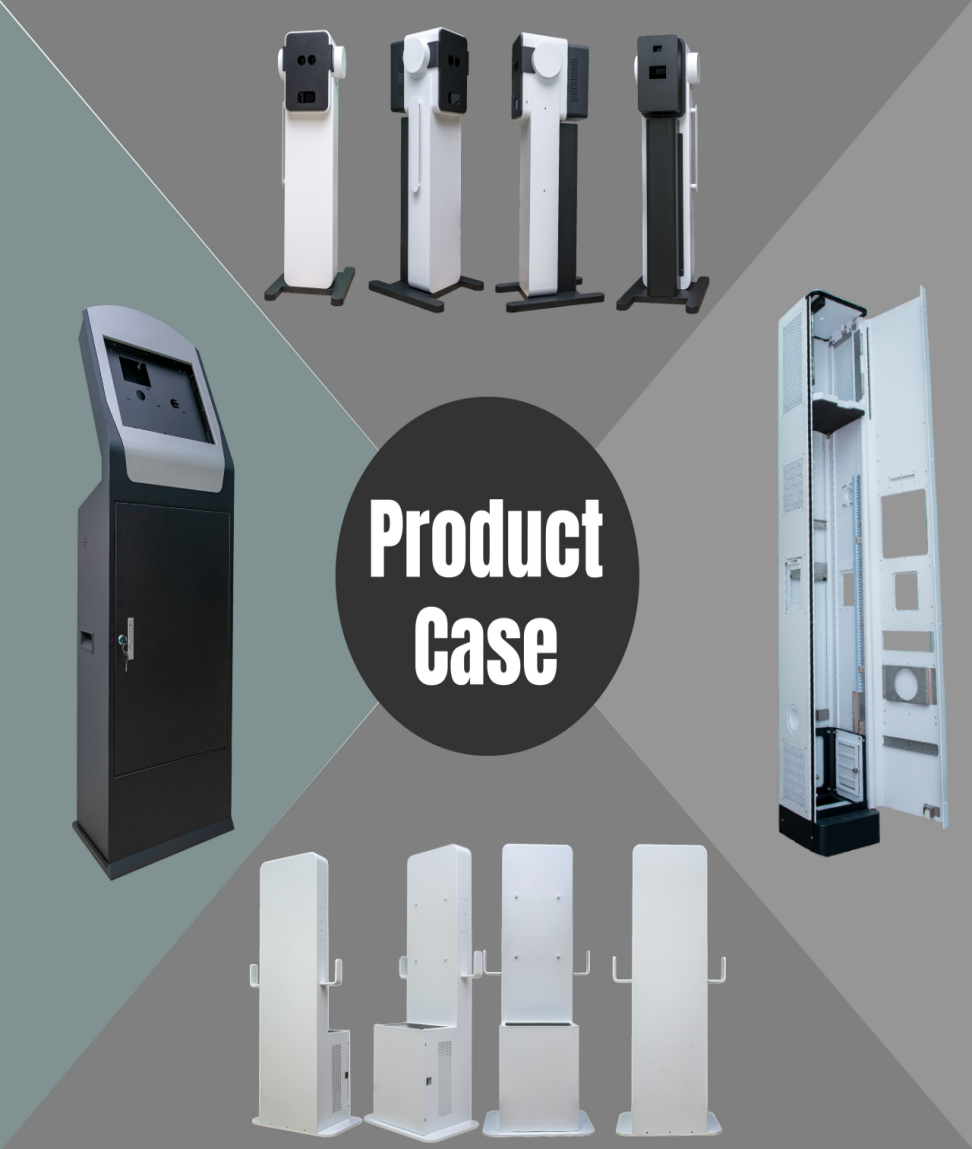
The fabrication processes used in manufacturing sheet metal parts for renewable energy systems play a key role in determining the quality, precision, and durability of the final products. The most essential fabrication processes include:
Laser cutting is one of the most common methods used for cutting sheet metal due to its ability to produce clean, precise cuts. This method is particularly beneficial for creating complex shapes with tight tolerances, which are often required in renewable energy applications. CNC (Computer Numerical Control) machining is used to ensure that parts are fabricated to exact specifications, making it suitable for producing high-quality, custom parts in renewable energy systems.
Bending and forming processes allow sheet metal to be shaped into various configurations, such as frames, supports, and enclosures. These processes are essential for renewable energy applications where parts need to be custom-shaped to fit specific design requirements. Presswork, including stamping and punching, is used to create holes, slots, and other features necessary for the assembly of renewable energy systems.
Welding is often required to join sheet metal parts together in renewable energy systems. Welding provides strong, durable connections between components, ensuring the structural integrity of the system. In many renewable energy applications, welding is combined with assembly processes to create large, complex components from smaller sheet metal parts.
Surface finishing is essential for enhancing the appearance, durability, and functionality of sheet metal parts. Renewable energy components often undergo surface treatments such as powder coating, anodizing, or galvanizing to improve corrosion resistance and extend the lifespan of the parts.
Designing sheet metal components for renewable energy systems requires careful planning and attention to detail. The following best practices should be considered during the design phase:
Efficient use of materials is crucial for reducing waste and ensuring that the fabrication process is cost-effective. Designers should optimize part designs to minimize material usage while maintaining strength and performance.
Sheet metal parts must be designed with system integration in mind. This includes ensuring that parts fit seamlessly into the overall renewable energy system, with the necessary mounting interfaces, fasteners, and alignment features.
The design of sheet metal components should account for the long-term durability of renewable energy systems. Parts should be designed for ease of installation, maintenance, and repair, ensuring that they continue to perform optimally over time.
Ensuring high quality and compliance with industry standards is essential in the production of sheet metal parts for renewable energy applications.
In renewable energy projects, it is important to use certified materials that meet the required standards for strength, corrosion resistance, and performance. Material certification ensures that the materials used in fabrication meet industry-specific requirements.
To ensure that sheet metal parts meet the necessary specifications, they must undergo thorough inspection and testing. This may include dimensional checks, visual inspections, and functional tests to ensure the parts perform as expected in the renewable energy system.
Maintaining clear documentation and process control is essential for ensuring the consistency and quality of sheet metal fabrication. Standardized work instructions, quality records, and traceable workflows help ensure that each part meets the required specifications.
Custom sheet metal fabrication plays a crucial role in the development of renewable energy systems by providing durable, high-performance parts tailored to the unique requirements of each project. These custom parts are essential for creating efficient and sustainable energy solutions, ensuring long-term performance in renewable energy applications. As the demand for renewable energy continues to grow, so does the need for high-quality, custom-made sheet metal components. It is vital for manufacturers to adopt best practices in design, fabrication, and quality control to meet these increasing demands.
At Dongguan Longwang Hardware Co., Ltd., we specialize in providing precision sheet metal fabrication services for the renewable energy industry. Our expert team works closely with clients to deliver customized solutions that meet specific project requirements. Whether you are looking for structural components, enclosures, or energy-efficient parts, we are committed to delivering reliable, high-quality products. We invite you to contact us to learn more about how we can help bring your renewable energy projects to life with our tailored fabrication services.
Q1: What are the most commonly used materials for renewable energy sheet metal components?
Stainless steel, aluminum, and carbon steel are the most commonly used materials. These materials provide the necessary durability, strength, and corrosion resistance for renewable energy applications.
Q2: Why is precision important in sheet metal fabrication for renewable energy?
Precision ensures that parts fit correctly and perform reliably over time, especially in systems exposed to harsh environmental conditions.
Q3: How do I optimize the design of sheet metal parts for renewable energy systems?
Focus on material efficiency, system integration, and long-term performance. Ensure parts are lightweight, durable, and easy to assemble.
Q4: What fabrication processes are crucial for renewable energy components?
Key processes include laser cutting, CNC machining, bending, welding, and surface finishing, all of which contribute to the quality and functionality of renewable energy systems.


